When winter arrives, your Nissan Altima’s stock tire size becomes more than just a number on the sidewall it affects how well you grip snow and ice, how safely you stop, and even how long your tires last. The right fit matters especially if you're driving in areas with heavy snowfall or freezing temperatures.
What is the stock tire size for a Nissan Altima?
The standard tire size for most Nissan Altima models (especially 2005–2012) is 215/60R16. This means a tire width of 215 millimeters, an aspect ratio of 60%, and a wheel diameter of 16 inches. These sizes are set by Nissan to match the vehicle’s suspension, braking system, and handling balance.
Sticking with this size helps maintain factory performance, fuel efficiency, and safety. Changing it without understanding the impact can lead to issues like inaccurate speedometer readings, reduced traction, or poor handling in cold weather.
Why stick with the stock size for winter driving?
Winter conditions demand reliable grip and consistent handling. Using the original tire size ensures that your car’s anti-lock brakes, stability control, and traction systems work as intended. If you go too wide or too narrow, these systems may not respond properly when you need them most.
For example, using a larger tire than recommended might cause the speedometer to show a slower speed than you’re actually traveling leading to unintentional speeding in snowy zones. A smaller tire could reduce ground clearance and increase wear on suspension parts during winter slush and salt buildup.
Can I use winter tires with the stock size?
Yes using winter tires in the stock size is one of the best ways to improve winter safety. Just make sure they’re the correct size: 215/60R16 for most Altimas. Look for all-season or dedicated winter tires designed for cold climates.
Winter tires have softer rubber compounds and deeper treads that stay flexible in freezing temps. They provide better bite on packed snow and black ice compared to summer or all-season tires.
Common mistakes when choosing winter tires
- Using mismatched sizes: Mixing different tire sizes on the same axle can cause uneven handling and strain on the drivetrain.
- Choosing low-quality winter tires: Some budget tires don’t perform well below freezing. Stick to reputable brands with good real-world reviews.
- Not rotating tires regularly: Even winter tires wear unevenly. Rotating every 5,000 to 7,000 miles keeps tread life balanced.
How do tire size choices affect fuel economy and wear?
Going off the stock size can change how much energy it takes to move the car. Larger or heavier tires increase rolling resistance, which reduces fuel efficiency. Smaller tires might seem lighter but can wear faster under winter loads.
Check out how OEM tire size impacts wear and fuel economy for details on what happens when you stray from factory specs. Maintaining the original size helps keep your mileage consistent and extends tire life.
Best replacement options for winter driving
If you’re looking for replacements that match the stock size and deliver strong winter performance, consider all-season tires rated for severe snow conditions (like the M+S or 3PMSF symbol). For colder regions, dedicated winter tires offer better stopping power and cornering on icy roads.
For model-specific recommendations, review the top all-season tire picks for 2005 Altima owners. You’ll find real-world data on grip, noise, and longevity in winter conditions.
Performance-focused drivers may also want to compare options based on handling and responsiveness. See how different tires affect ride and steering feel, especially in slippery conditions.
Practical next steps
Before winter hits, check your current tires’ tread depth. If it's below 4/32 inch, consider replacing them even if they're still in good shape. Also, verify that all four tires are the same size and type. Don’t mix winter and all-season tires on the same axle.
Finally, take time to test drive new tires in dry conditions first. Make sure the ride feels normal and there are no warning lights on the dashboard. Winter tires should feel secure and predictable, not jittery or noisy.
For inspiration on how winter driving changes with tire choice, explore font name to see how small design details can influence readability and clarity just like how a proper tire size influences safety.
 Discover Nissan Altima Tire Sizes for Safer Highway Driving
 Performance Tire Comparisons for Nissan Altima Factory Wheels
 The Best All-Season Tires for a Nissan Altima
 Understanding Nissan Altima Stock Wheel Specifications
 Changing Tire Size Affects Altima Fuel Economy and Handling
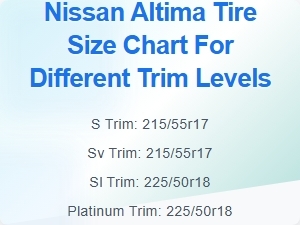 Nissan Altima Tire Sizes for All Trim Levels